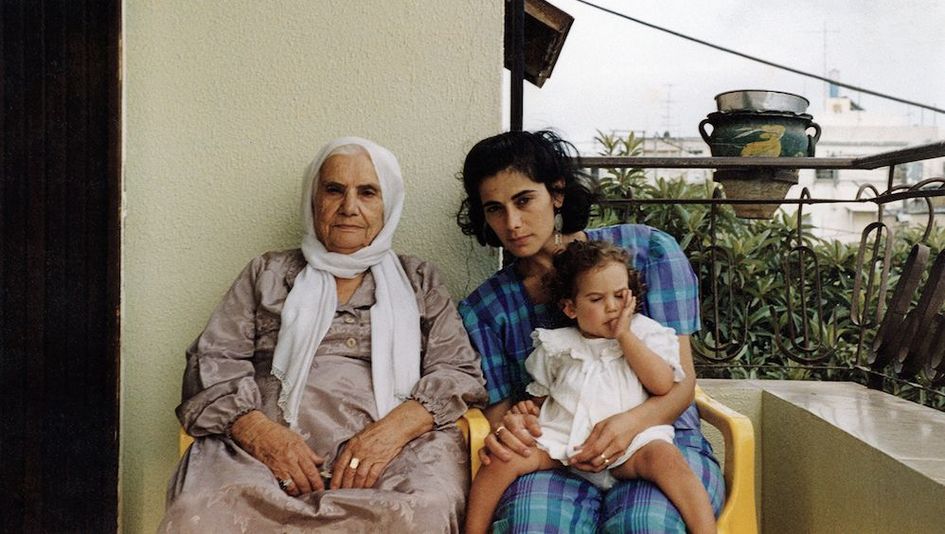
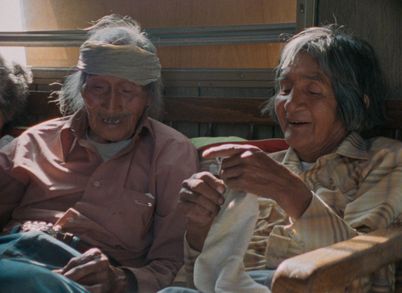
![Filmstill aus BYE BYE TIBERIAS: Eine alte und eine junge Frau sitzen nebeneinander auf einem Balkon. Die jüngere Frau hat ein kleines Mädchen auf dem Schoß.]()
ALFILM – Arabisches Filmfestival Berlin
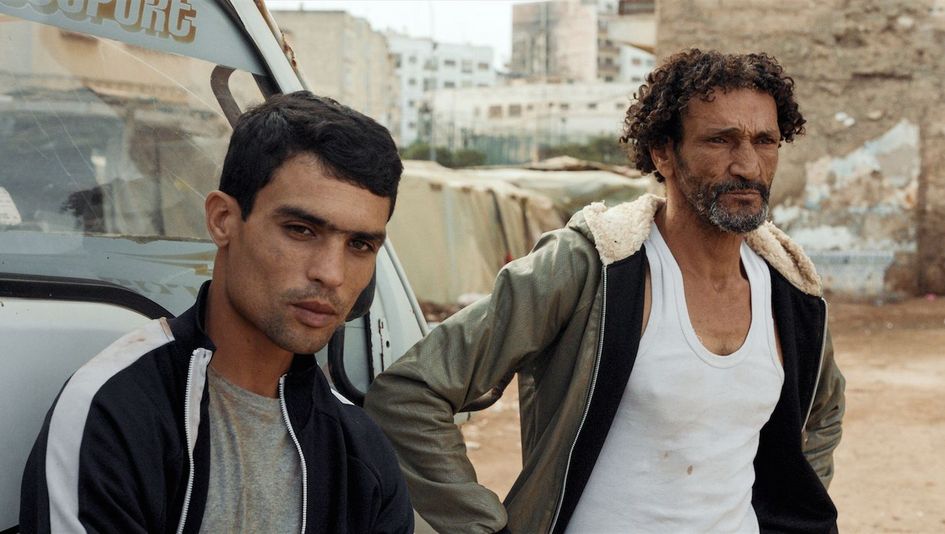
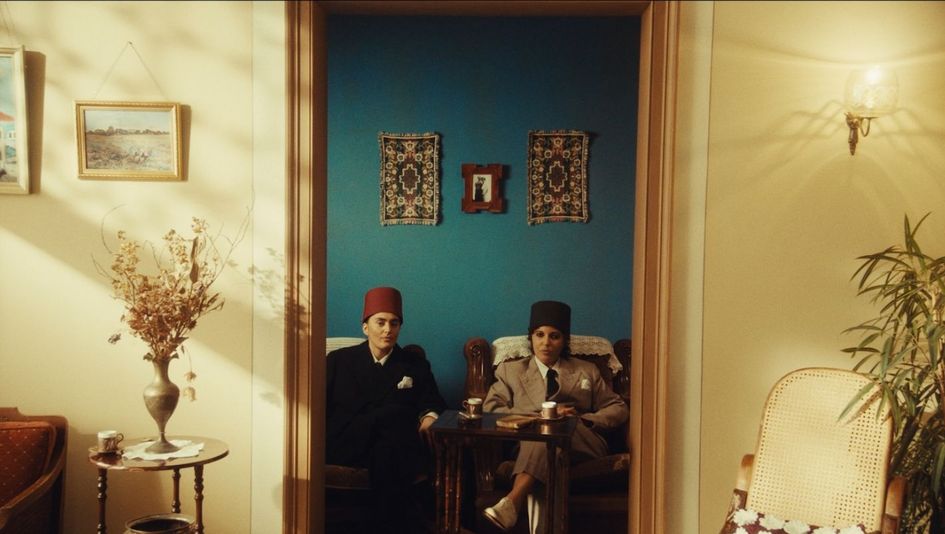
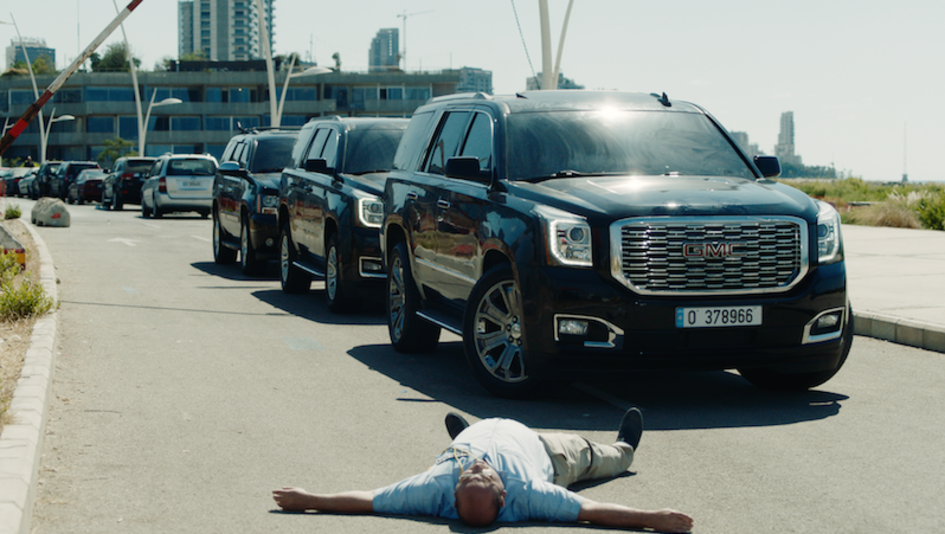
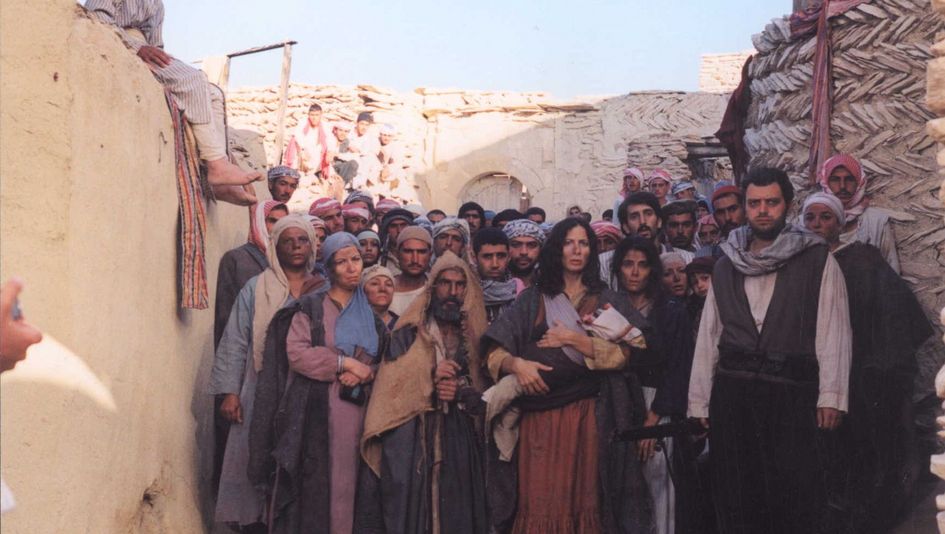
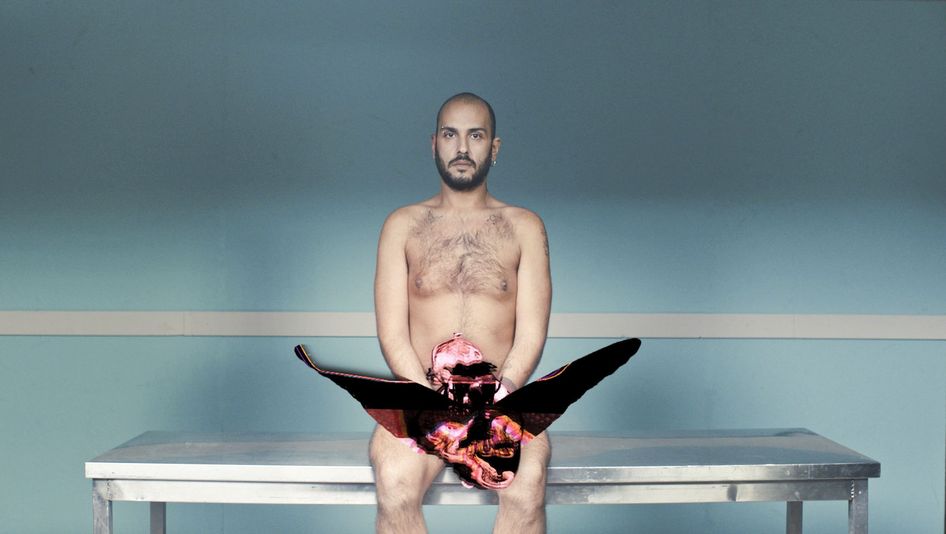
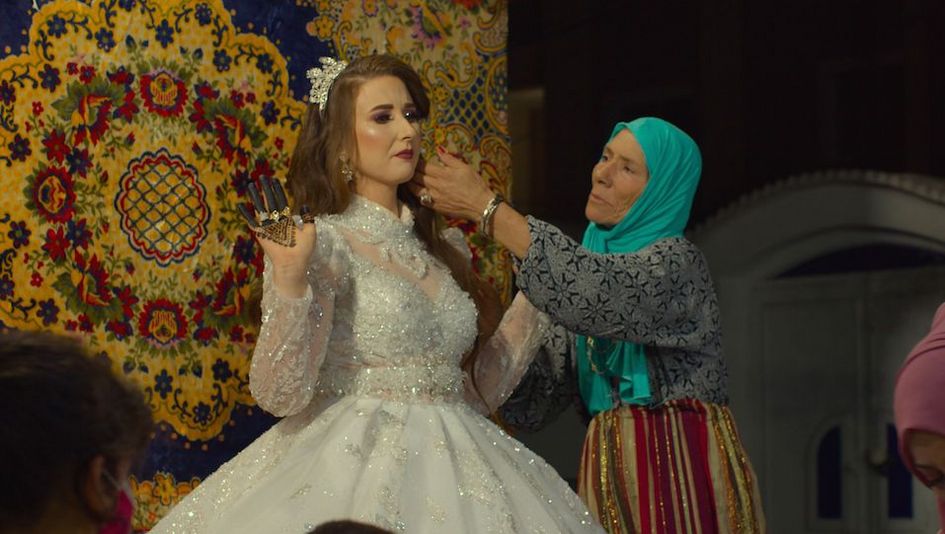
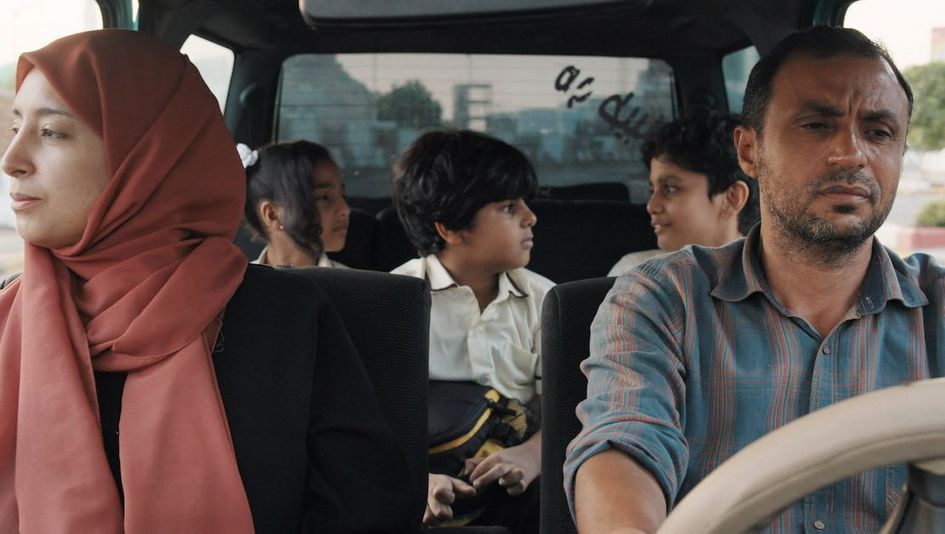
Vom 24. bis zum 30. April ist das Arsenal Gastgeber für die 15. Ausgabe von ALFILM.
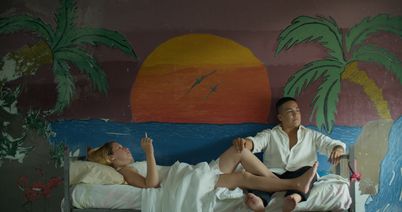
![Filmstill aus UNCLE BOONMEE ERINNERT SICH AN SEINE FRÜHEREN LEBEN: Eine Frau liegt direkt am Fenster im Bett. Es sind transparente Vorhänge in verschiedenen Farben aufgehängt.]()
© Nontawat Numbenchapol, Courtesy of Kick the Machine Films
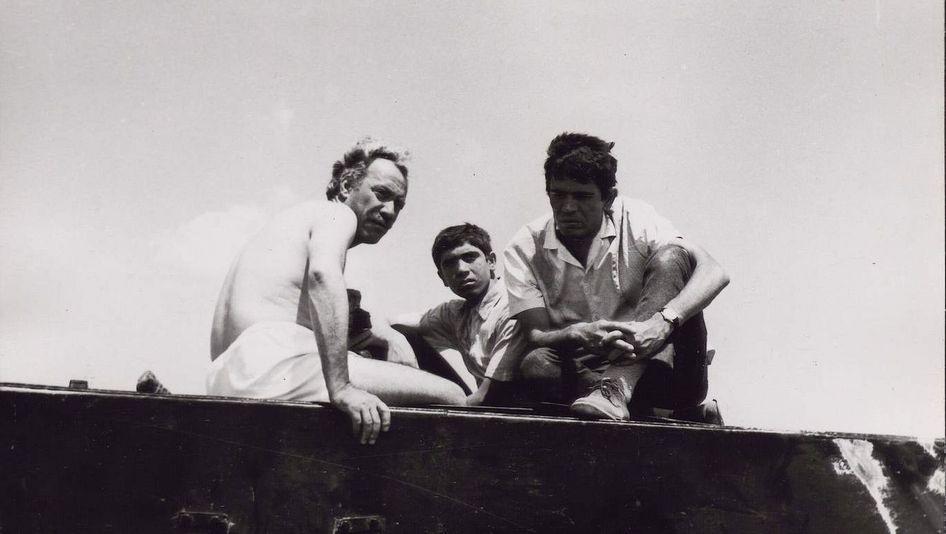
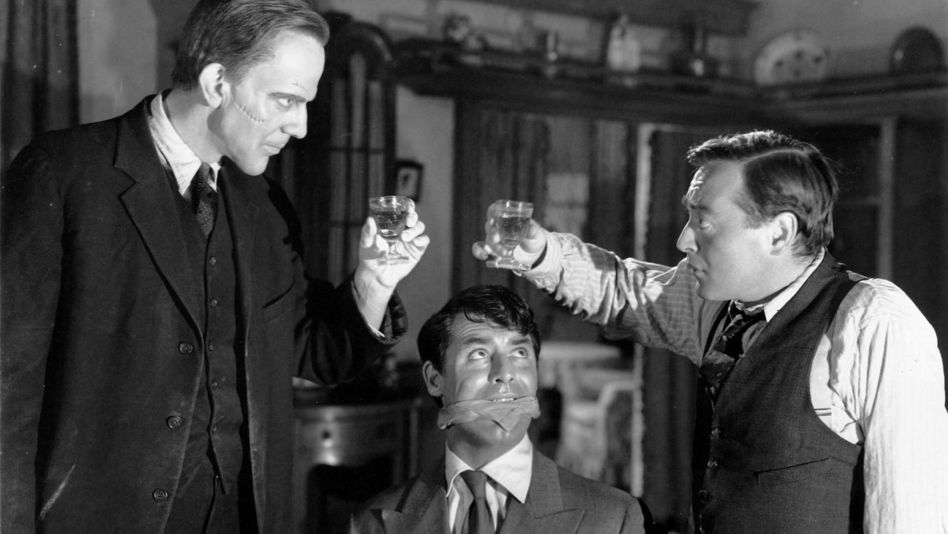
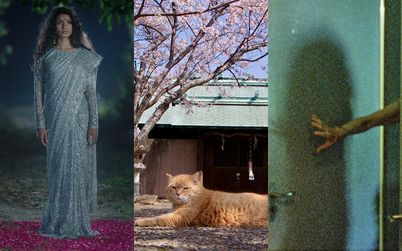
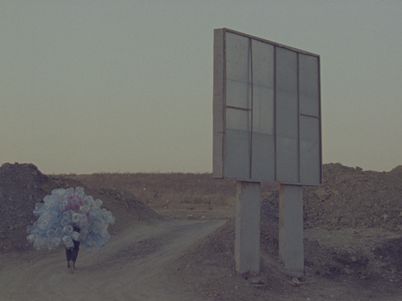
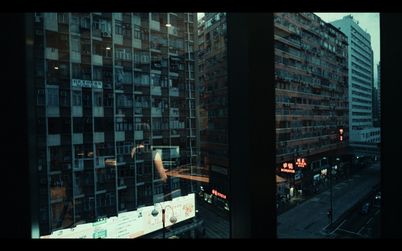
Magical History Tour
(Un)real Interventions – nahtlose Übergänge von realen Welten in irreale Universen in einer eklektischen Auswahl von sechs Filmen im April.
![Aufnahme eines Gerüstes an einer Hausfassade.]()
© Jule Fechner
Arsenal 2024-2026
Umzug, Reisen, neues Kino – hier finden Sie Informationen zum geplanten Umzug des Arsenal.