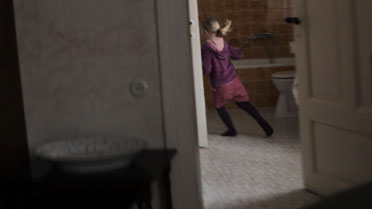
Susan Sontag (1933–2004) was an essayist and writer, activist and theorist, as well as a pop culture icon. She combined intellect, glamour and dissent effortlessly. Her texts on photography and reporting war, on cancer and AIDS, as well as of course film and cinema have become legendary. Her formulation in her 1964 essay "Against Interpretation" about cinema being "the most alive, the most exciting, the most important of all art forms right now," has been quoted innumerable times. She was firmly convinced that because of the perception of reality that films create, they had an exceptional educational function, not only in an aesthetic sense but because they can enlarge the capacity to feel.
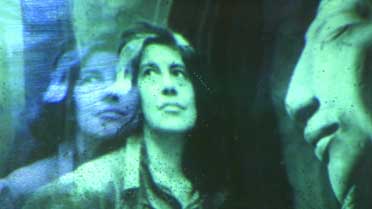
Although she made half a dozen films between 1969 and 1993, Susan Sontag’s activity as a filmmaker remained largely unknown. In a 1969 interview with the New York Times about filmmaking, she "confessed" that before making her first film DUET FOR CANNIBALS she had harbored an unfulfilled ambition to direct for years. "I would have taken any offer just to show I could do it," she said. "I would have gone to Afghanistan." "As it turned out, she only had to go to Sweden," quipped journalist Mel Gussow with palpable smugness.
To direct seemed to Susan Sonntag a logical continuation of her career - others, European writers that she admired, such as Jean Cocteau, Marguerite Duras, Alain Robbe-Grillet and Pier Paolo Pasolini, had made the transition from writing to filmmaking - but perhaps it was Pasolini whom she saw as a direct role model, he with his self-declared fingers in many pies.
For the first time in over two decades, Arsenal is showing the films that Susan Sontag directed or co-directed in a season curated by Ralph Eue. These will be complemented by works that provide an insight into her universe.