A producer, director, screenwriter, and actor as well as a cinephile dedicated to preserving the legacy of international film, Martin Scorsese is one of the most important American filmmakers of his generation. Despite having always worked at the margins of the Hollywood studio system, he has also been one of the most successful international directors in recent years. His oeuvre comprises nearly 50 titles, including 30 feature-length films which span a wide range of different genres: the gangster film, musical, thriller, biopic, music film, documentary, melodrama and children's film.
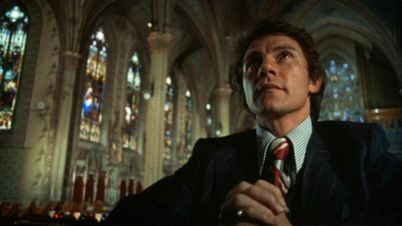
Scorsese’s films are fast-paced, gripping, physical, full of vitality and rich in dialogue. In addition to the intensity of his directorial style, his intuitive use of music also forms an essential element of his work. His often autobiographically motivated films depict urban environments dominated by violence, distrust, fear and betrayal. Scorsese's lonely outsiders, drifters and neurotics operate within a predominantly masculine universe, in search of intimacy, security and redemption, with aggression concealing their insecurities. The key location for his films is New York, where Scorsese grew up in the "Mean Streets" of immigrant quarter Little Italy, influenced in equal measure by the laws of the Mafia and the restrictive morals of the Catholic Church. Scorsese's original desire to become a priest is evident both in his propensity for urban Passion stories and the search for spirituality undertaken by many of his protagonists. This personal approach has left its mark in Scorsese's documentaries too, whether when exploring the story of his own family, following his love for popular music or inviting audiences to join him on a voyage through Italian and American film history.


![[Translate to English:]](/assets/_processed_/e/f/csm_Chang_53502432ef.jpg)