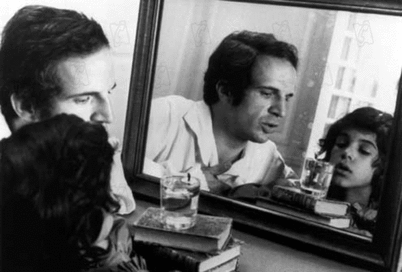
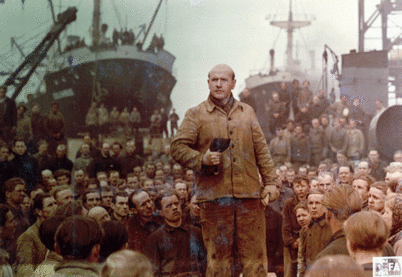
In May, we are dedicating the Magical History Tour to the subject of voice, language and speech in cinema. The powerful role played by the voice in film does not just become apparent due to acoustic characteristics, the timbre of the actors’ voices, and their seeming harmony with the film image, but also makes itself particularly felt when both voice and language stand in contrast to such images or diverge from them. It is this type of formal tension that represents the underlying idea and starting point for the plots of many of the films we are presenting in May. Yet we also want to demonstrate linguistic playfulness, the sheer desire to speak, excessive use of the voice, particular stylization techniques, and the conflict between different registers and styles of speech using a range of different film examples. By deliberating moving away from standardized patterns of speech and by creating new linguistic and vocal landscapes, these films do not just reveal new opportunities for identification and create new axes of meaning, but also mark verbalism as an independent means of artistic impression, which goes far beyond its function as the vehicle for a particular text.