Alf Bold: The Art of Programming

“If you could wait just a little longer – I have to finish watching the film!” Alf Bold (1946 - 1993) worked at Arsenal for two decades and was one of the most important champions of experimental film in the German-speaking world. A trained waiter, he also worked as a specialist in contemporary music at a record store. When Arsenal opened its first cinema on Welserstraße in 1970, he also sold tickets there in the evenings so he could watch the films. The audience waiting in the lobby were suitably understanding.
Entirely self-taught when it came to cinema, he acquired his knowledge of film through a long process of watching, asking questions and listening. Among his mentors during that time were Erika and Ulrich Gregor. His curatorial instinct, which he developed quickly, was based on his experiences – and his love of music.
As early as the 1970s, Bold recognized a particular need to promote experimental film. Next door to Arsenal, he set up a small 16-mm screening room where he presented the series “Avant-Garde at the Arsenal 2” on Mondays. There, he carefully curated programs that reflected the developments in the medium, yet never reduced the concept of the avant-garde to mere formal language. Social emancipation movements finding new expression through the language of cinema were equally represented in those programs. Compared to other experimental film programs of that time, Alf Bold’s programs featured a conspicuously large number of films by women.
In 1982, Bold was program director for the Collective for Living Cinema in New York for a year, where he built on his connections to the international avant-garde and underground scenes while simultaneously expanding the Arsenal film collection to include this branch of cinema.
What distinguished him as a curator was a consistent lack of dogmatism: he saw no hierarchies between genres and championed experimental film with the same seriousness as he did documentary and fiction. He programmed films with a keen sense of rhythm and based on the collective impact they produced when shown in sequence. His long evening events, during which he—armed with 16-mm films and a portable 16-mm projector—spontaneously reacted to the mood in the auditorium, became legendary.
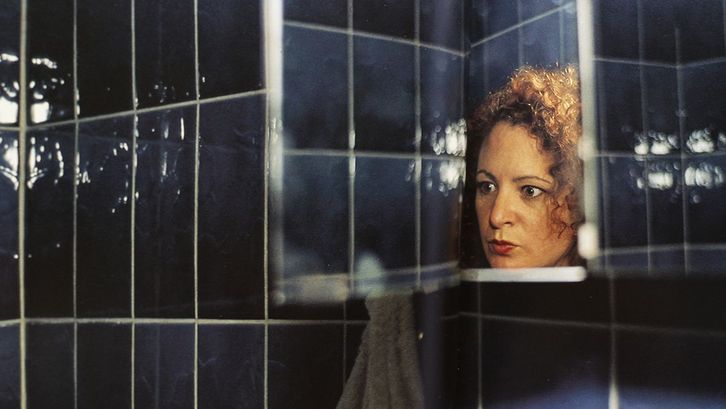
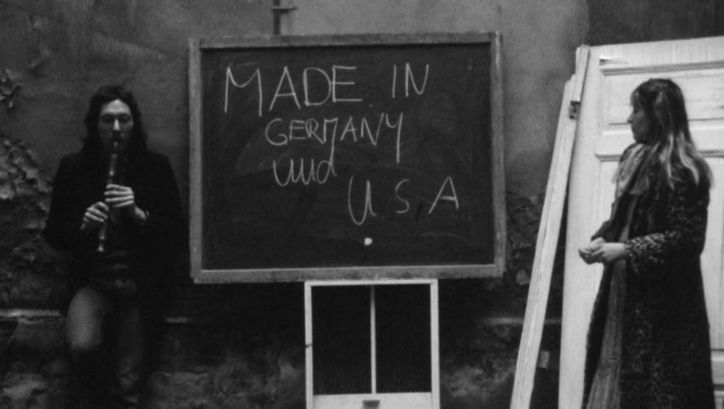
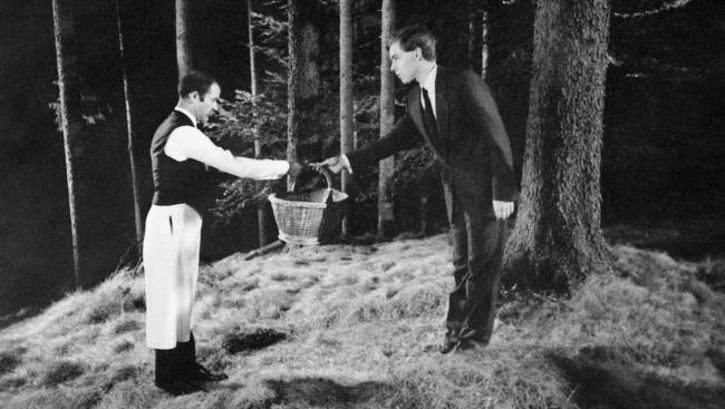
Alf Bold lived in Schöneberg across the street from the Arsenal so he could be there every day—in a film by Warren Sonbert (also featured in this month’s Condition Report program), he can be seen standing in front of his house. But he also regularly attended the Philharmonie and Berlin’s theater scene, traveled to concerts, and toured the world with film programs. He channeled his wide-ranging circle of acquaintances into a friendly and close-knit network. As a result, he made cameo appearances in films by Jean-Marie Straub and Danièle Huillet, Ulrike Ottinger, Stewart Sherman, Rudolf Thome, and Christian Ziewer. Jill Godmilow dedicated her film Roy Cohn/Jack Smith to him, and his name appears in the credits of numerous independent films from that era. A photograph by Annie Leibovitz shows him at the Augusta-Viktoria Hospital in 1992. He appears in close up in images by Nan Goldin, who accompanied him until the very end.
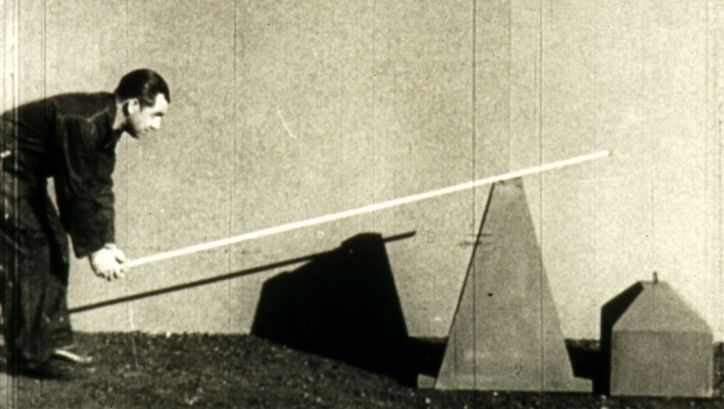
Alf Bold died from the consequences of AIDS in 1993. He would have turned 80 on July 23. This three-day program dedicated to him consists exclusively of analogue prints of films from the Arsenal archive that were added to the collection through his efforts or that carry a special connection to him, albeit only a selection of them. (Stefanie Schulte Strathaus)
Funded by: