Safi Faye: Working Together – Zusammen Arbeiten – Travailler Ensemble

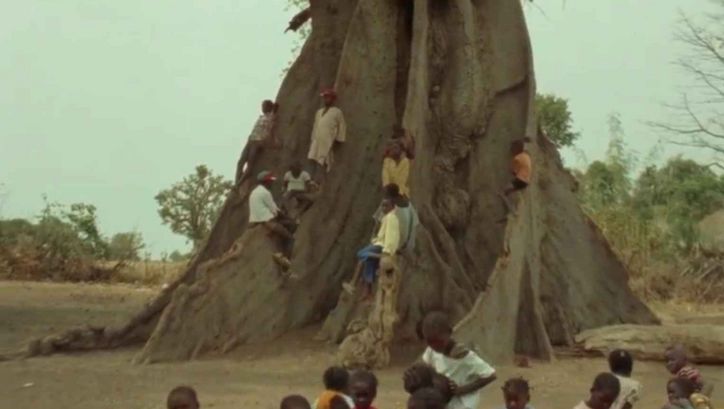
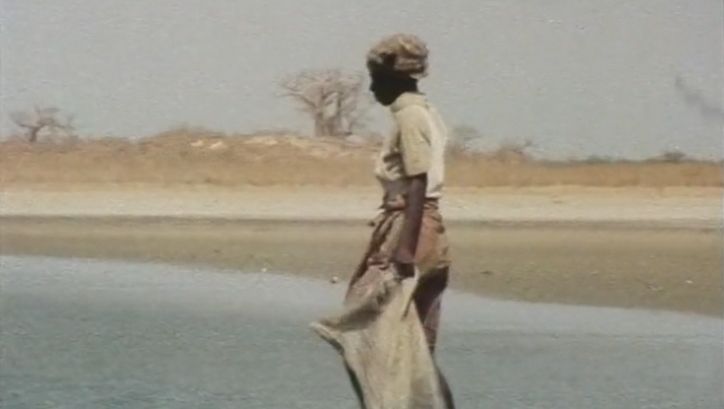
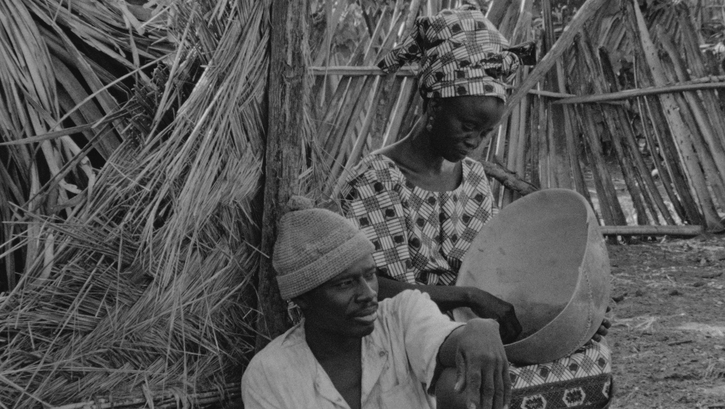
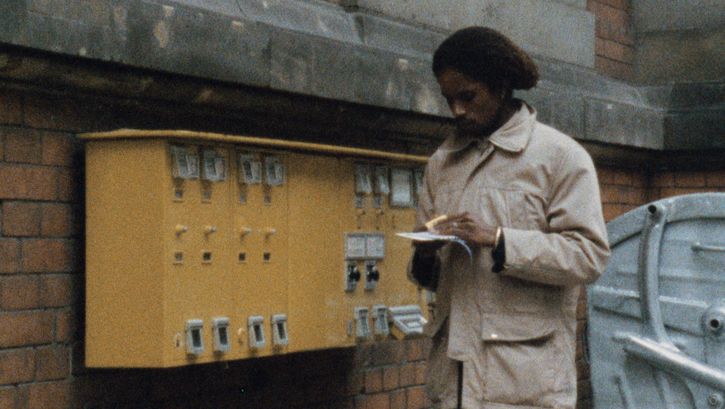
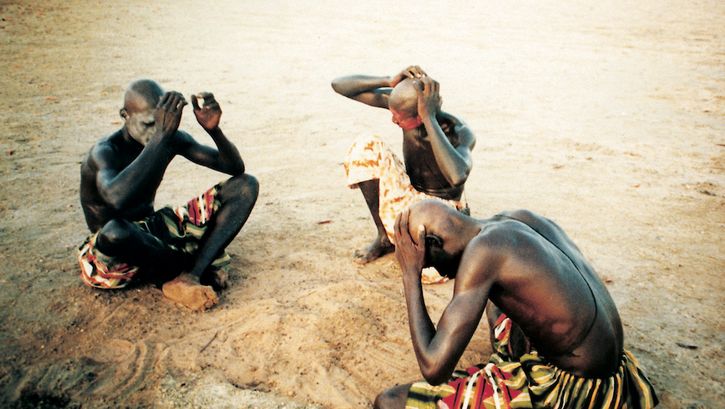
A key figure in independent African cinema, filmmaker and ethnologist Safi Faye (1943–2023) worked in Senegal, Europe and the United States from the 1970s onwards. Faye’s early autoethnographic films revolved around life and work in her family’s Serer village. Her intimate, participatory gaze, which allows the villagers to tell their own stories, is now regarded as a groundbreaking contribution to the repositioning of ethnographic and documentary filmmaking. In addition to highly acclaimed feature-length films, she made several shorter commissions in the 1980s as part of international co-productions with European partners as well as with the United Nations and UNICEF. A DAAD fellowship, several co-productions with ZDF and the screening of her films at the Berlinale Forum laid the foundation for a long-standing relationship with Germany. The question of the possibilities and limits of collaboration runs like a common thread through Faye’s work: from social struggles for self-determined land management in Senegal to the failure of international development collaborations and the precarious integration of African media producers into global markets. Faye addresses these challenges from the perspective of African women in particular – including from her own experience as a filmmaker working across national borders.
Although Safi Faye was recognized worldwide during her lifetime as a pioneer of African cinema, her complete body of work, which spans various media and countries, only remains accessible in fragments to this day. Her estate is scattered across archives in several countries; many films can barely be screened or are not available in digital form. Her works produced for television in particular have received little attention to date. “Safi Faye: Working Together – Zusammen Arbeiten – Travailler Ensemble” is an international, collaborative project that brings together film programs, archival materials and discussion formats to recontextualize and draw renewed attention to Faye’s body of work within a shared international framework for the first time. At Faye’s request, Arsenal houses her major works for preservation and circulation, while restoration and digitization projects have been initiated to facilitate access to them. Against this backdrop, the project’s starting point is in Berlin. In addition, locally rooted program constellations are being developed in collaboration with curators and partner institutions in Senegal, Egypt, Burkina Faso, France and the United Kingdom.
Faye’s practice was always collaborative in nature – while at the same time reflecting critically on the conditions of working together in an unequal world. Curated by Nikolaus Perneczky and Stefanie Schulte Strathaus, this Berlin program takes this idea into account by placing Faye’s film and television works in dialogue with films by fellow activists from shared working contexts, institutional environments and political struggles. Introductory talks and discussions not only serve to explore historical contexts but also incorporate Faye’s reflections into ongoing debates about co-production and cooperation, whether in agriculture, the cultural sector or film archiving. This is where the project’s workshop-like character becomes evident: working together as a work in progress. (Nikolaus Perneczky)
With the kind support of the DAAD’s Artists-in-Berlin Program.
Funded by: