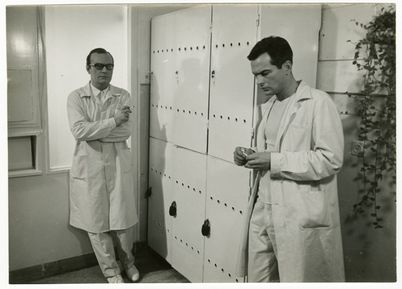
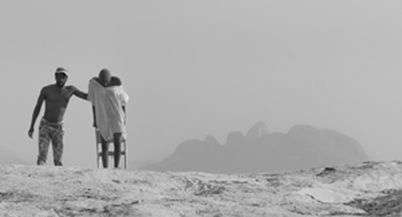
Sudanese filmmaker Gadalla Gubara (1921–2008) documented his country’s post-colonial era in over 50 documentaries, adverts, educational films, shorts, and feature following the independence of Sudan in 1956. His cinematic legacy was able to be digitized by Arsenal in collaboration with the Studio Gad archive in Khartoum in 2013 and 2016 with the help of funding from the Foreign Office’s cultural preservation program.
On June 19, six films will be shown in the presence of his daughter, including KHARTOUM (1960), a historical film about the once lively city, BATA COMPANY (1972), POLICE TRAFIC (1965), a selection of advertising films (1965–1970), SONGS OF KHARTOUM (1970) and VIVA SARA (1984), which accompanies Sara Gubara on a race between Capri to Naples as Sudan’s first international swimmer.