Just revolutionary – The Films of the Ninjin Club

“I am not a feminist, I am just a revolutionary!” (Keiko Kishi)
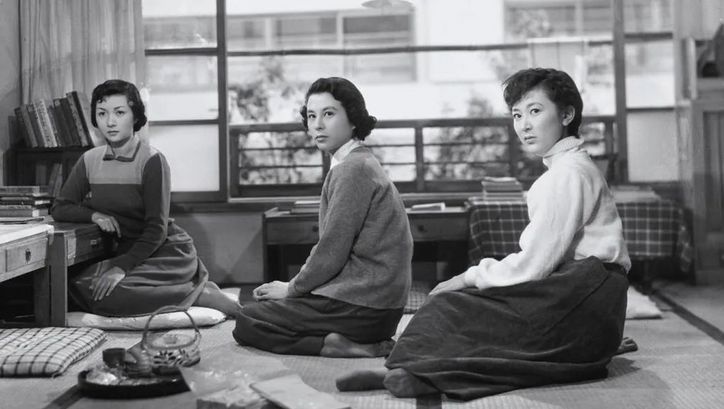
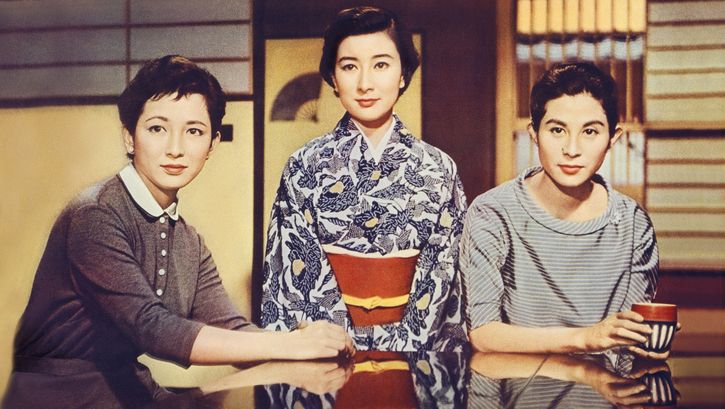
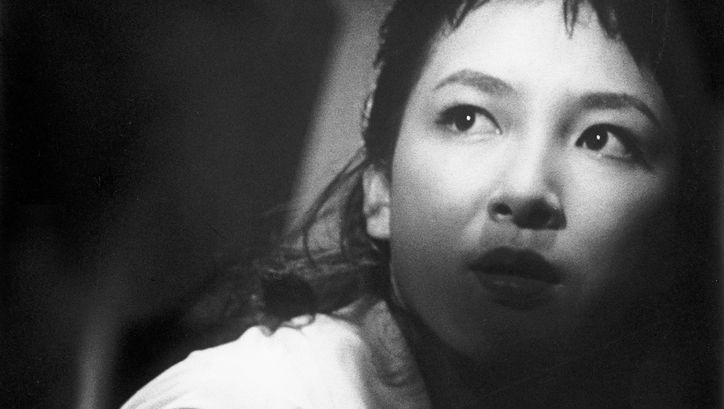
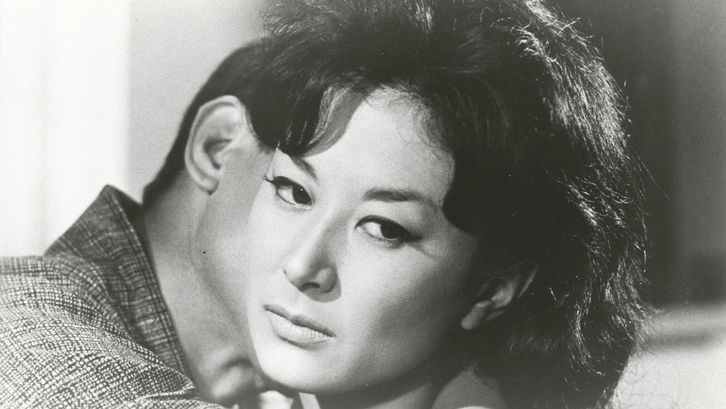
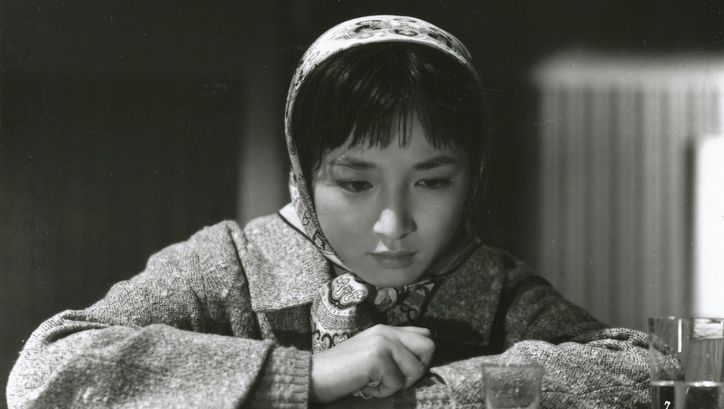
This statement needs no qualifying: “revolutionary” is the right word to describe the bold move taken by the three star actresses Ineko Arima (b. 1932), Keiko Kishi (1932–2026) and Yoshiko Kuga (1931–2024) who first set up an association for actresses in the mid-1950s and later founded their own production company.
Behind the long official name – Bungei Purodakushon Ninjin-Kurabu (which literally translates as The Literary Production Ninjin Club) – lay a sizable network of writers and filmmakers, as well as some pressing concerns: artistic independence, better working conditions and more challenging roles and films for women. Within the rigid, strictly hierarchical, patriarchal Japanese studio system of the 1950s and 1960s, which expected actresses to embody a traditional image of the women and largely denied them positions behind the camera, this act of self-empowerment was entirely unprecedented both politically and socially.
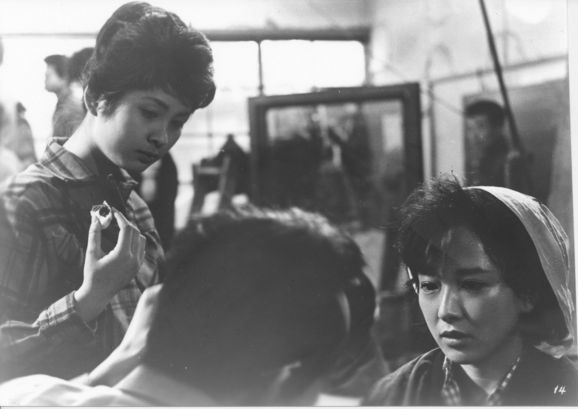
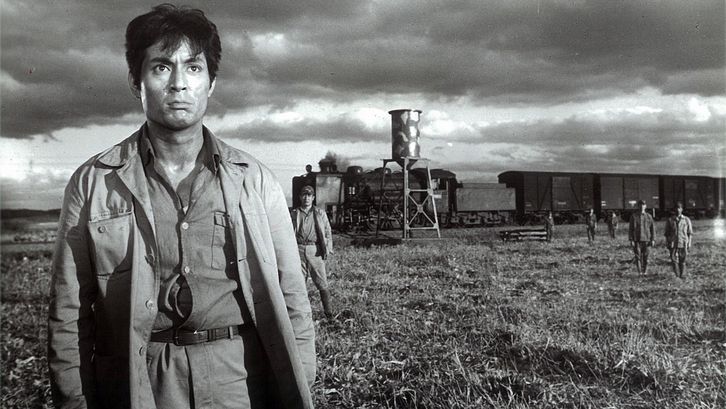
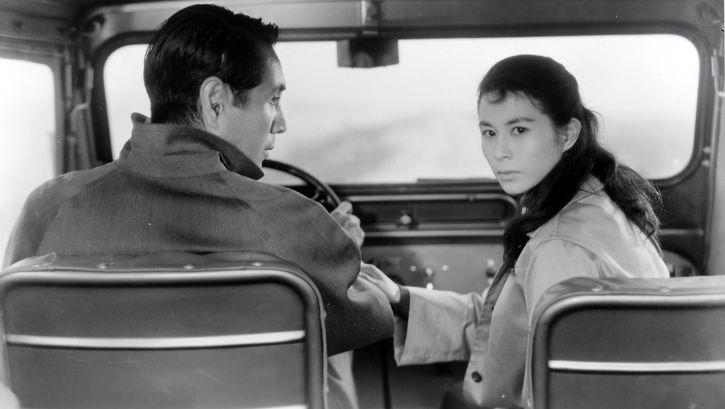
It’s thus truly astonishing that the Ninjin Club is scarcely even mentioned, let alone given the recognition it deserves, within the historiography of Japanese cinema. This is all the harder to understand in light of the fact that the Ninjin Club promoted ambitious artistic styles, new trends and more nuanced female roles in Japanese cinema in the ten years following its foundation, producing films by directors such as Masaki Kobayashi, Susumu Hani and Kinuyo Tanaka.
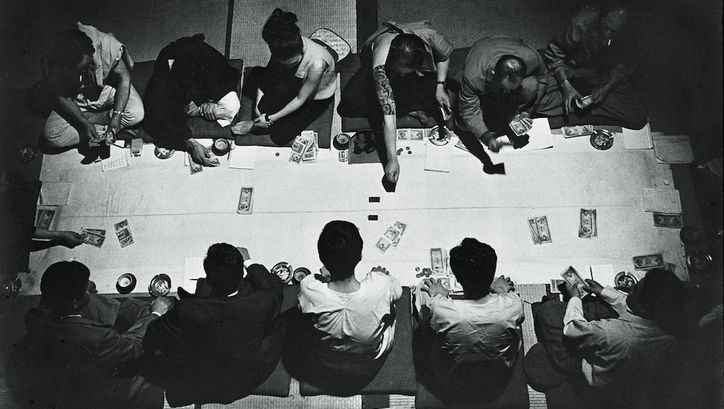
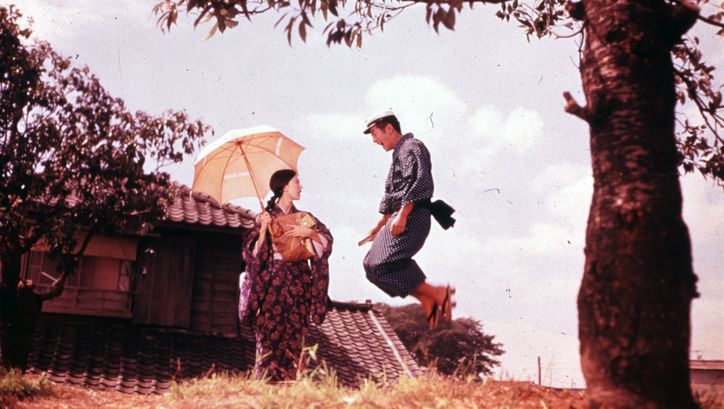
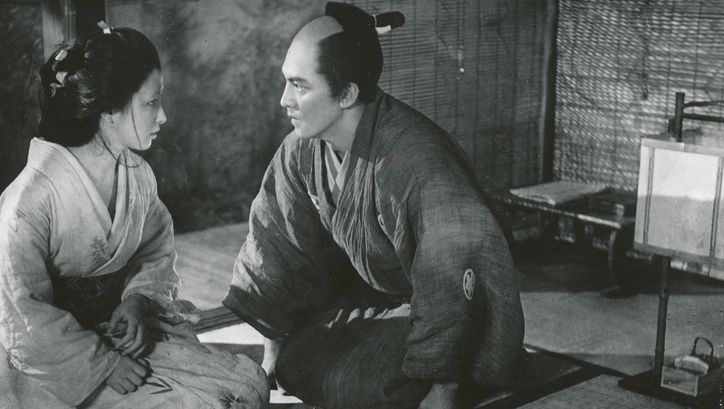
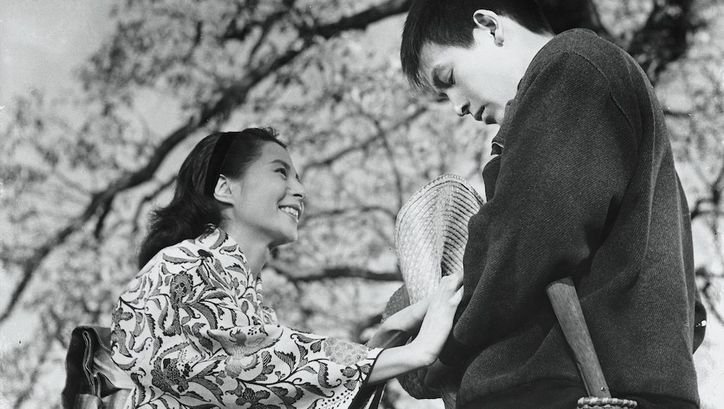
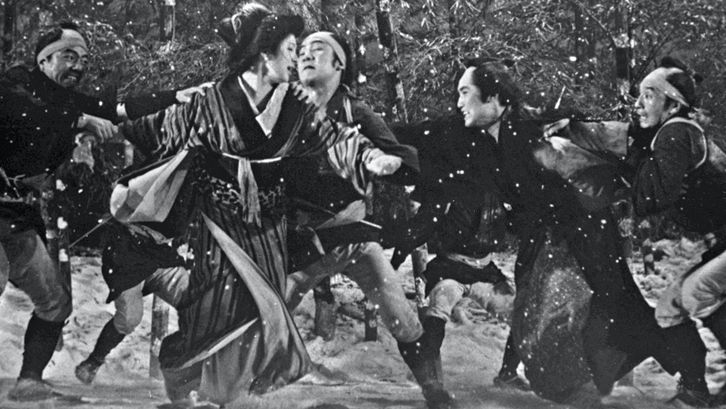
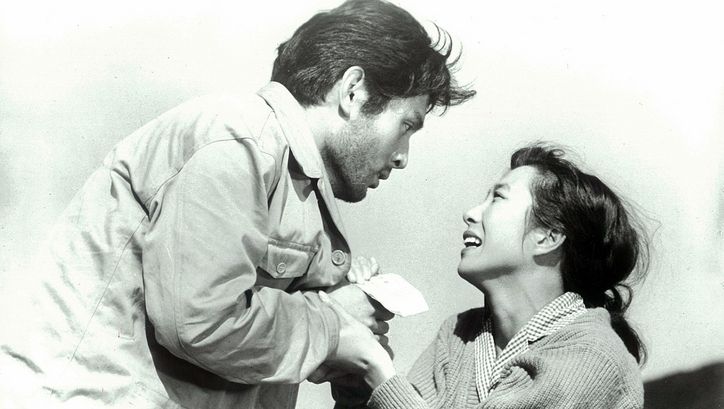
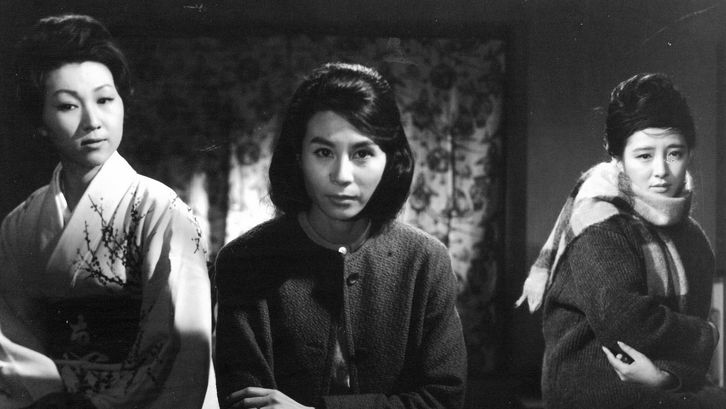
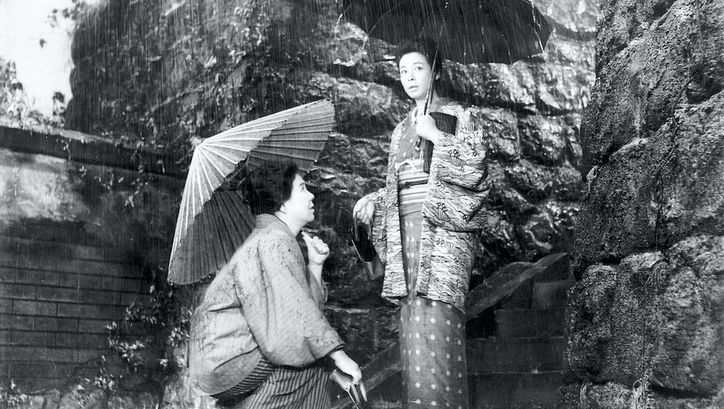
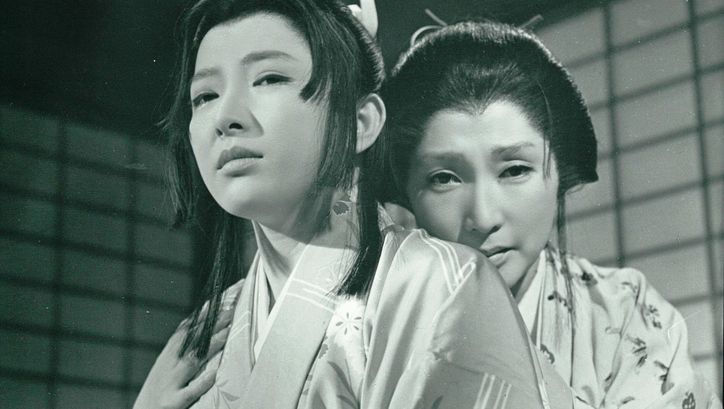
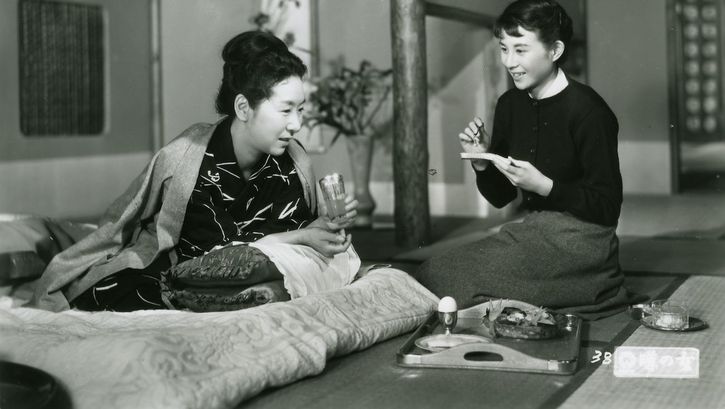
“Just Revolutionary – The Films of the Ninjin Club” seeks to fill this gap in public awareness with a comprehensive program which both highlights the Ninjin Club’s production portfolio and outlines the careers of its famous, exceptionally versatile actresses through a selection of films. Based on 20 films from 1953 to 1964, many of them showing on 35mm and some of which are screened extremely rarely in Berlin, the program offers a multifaceted perspective on Japanese cinema, taking in the tension between tradition and modernity, the constantly evolving image of women and a society in a state of ongoing upheaval. (Milena Gregor)
The program is funded by the Federal Capital Cultural Fund. It is a collaboration with the Japan Foundation (Cologne and Tokyo) and the National Film Archive of Japan.
Huge thanks to Kayo Adachi-Rabe and Kanako Hayashi for their comprehensive curatorial support.
Funded by: