Poor Pictures – 50 Years of the Present. Hosting the Duisburger Filmwoche

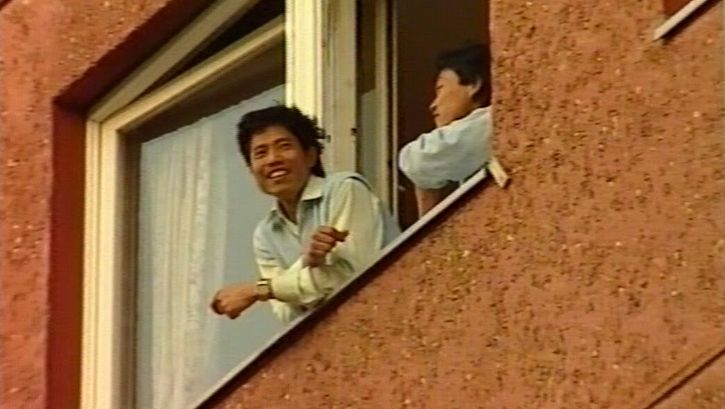
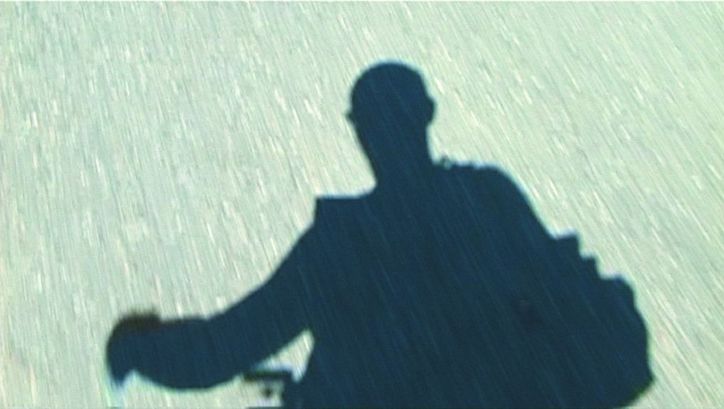
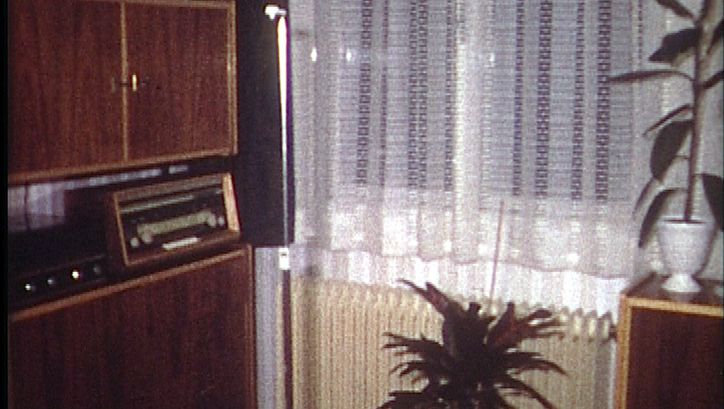
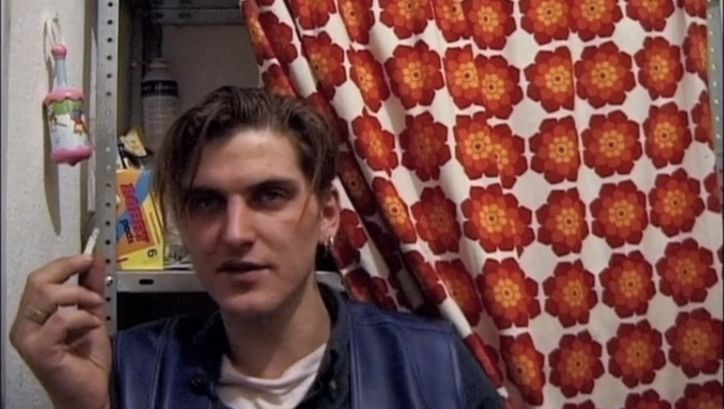
A blurry image. Barely anything can be made out. There is crackling and popping on the soundtrack. The pixellation obscures the view of the protagonist’s face. Everything is a bit out of focus, washed out, overexposed—and yet, as a viewer, you’re fully present and engaged. How is that possible? To mark its anniversary, the Duisburger Filmwoche is visiting different partner institutions under the motto “50 Years of the Present.” At the Arsenal cinema, it is screening “Poor Pictures”: lo-fi images drawn from the festival’s own history. Spanning various media, these are films which deliberately defy the dictate of perfection in image and sound. Films that—as Hito Steyerl wrote in her 2009 essay In Defense of the Poor Image—blur the lines between life and art. Over the past 50 years, Duisburg has repeatedly screened films that challenge our way of seeing things and how we are accustomed to the bright and the clean.
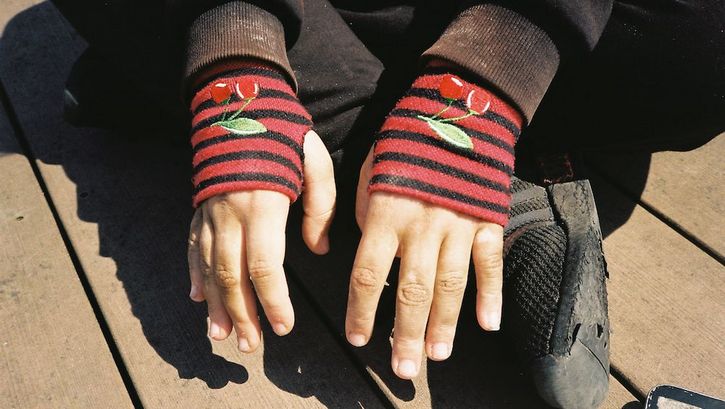
Selected from the vast archive of the festival’s history, the films in this series propose a form of seeing at once materialistic and skeptical, a far cry from any sort of fetishistic focus on the beauty of the analogue artifact or the textures of the past. On the contrary, these images unsettle, shake us up and at times even frustrate us, although this is precisely how they end up revealing the difficult, ambivalent relationship between the camera and the people and things that appear before it. In certain contexts, a documentary image only becomes possible when it does not follow the usual conventions of professional filmmaking—that is, when focus, framing, or exposure are simply overwhelmed by what is happening in front of the camera. It is no coincidence that many of the films in this series depict human encounters with open-ended outcomes. Whether between relatives, like in NICHTS FÜR DIE EWIGKEIT by Britta Wandaogo and FIRST IN FIRST OUT by Zacharias Zitouni, or between filmmakers and drifters in urban spaces, such as in HAUBI by Nizan Kasper or JONA (HAMBURG) by Peter Ott, lo-fi technologies are what make the cooperation between the protagonists possible in the first place. Shot with unobtrusive camerawork as if in passing, the resulting images require a certain degree of intuition and very little planning. Diary films like HANS IM GLÜCK by Peter Liechti or the exploration of a personal family archive in EINE MILLION KREDIT IST NORMAL, SAGT MEIN GROSSVATER by Gabriele Mathes demonstrate the close relationship between the lo-fi and the private sphere. There is an intimacy in these images that would be suppressed by a more polished visual grammar. Lo-fi can also refer to the idea that the images were not initially created with publication in mind. There is something deeply personal about them. In this way, the boundaries between the documentary and home movies, amateur films, or experimental films are repeatedly explored.
Low resolution and imperfection have gone through various phases in the history of documentary film: from the relationship between 16mm and 35mm cameras, between Super 8 to VHS, between Mini-DV to images captured with a cell phone or laptop camera. The focus was always on avoiding the economic and technical hurdles that stand between the gaze and the reality being presented. Some filmmakers use the imperfections in the images to find a path toward abstraction; for others, it is less an aesthetic choice and more an economic necessity—and thus also an expression of independence from market logic. The emergence of video art in the 1980s—which played a decisive role at the Duisburger Filmwoche—gave rise to a trend of independent and political filmmaking that continues to resonate to this day, such as in BRUDERLAND IST ABGEBRANNT by Angelika Nguyen.
The departure from documentary convention evident in the directly shot footage that makes up these films follows this same tradition to this day. The lo-fi aesthetic is also about bringing about a sort of democratizing rebellion against the technological dictates of the apparent scale a cinematic image must possess according to prevailing discourses—and thus, if thought through to its logical conclusion, a proposal to grasp cinema not as visual spectacle but rather as a process of finding perspectives on the real. Whether in pixellation or video noise or the blurriness of an 8mm recording, the world is revealed with a disorienting vitality that now shapes an everyday life lived at the intersection of visual media and human experience. An artifact of reality suddenly pops up amid all the smoothed-out images, and the glitch reveals the pleasantly cool forest through which one thought one was walking to be a projection. Duisburg’s lo-fi cinema, then, is not merely about what Steyerl has termed the “lumpenproletariat of the class society of appearances.” It is about an ethical-aesthetic approach to the world. The work on cinema and its forms of representation central to the Filmwoche become visible as a search not for the most overwhelming and beautiful images, but for the possible and most just images of a present that is all too fleeting and possibly low-resolution to begin with. (Patrick Holzapfel)
Five programs featuring nine documentary films from the period 1990 to 2023 will be presented, with festival director Alexander Scholz, curators Patrick Holzapfel and Friederike Horstmann and filmmakers Nizan Kasper, Britta Wandaogo and Zacharias Zitouni in attendance. In keeping with the Duisburg tradition, several of the screenings will be followed by in-depth discussions with the filmmakers and the audience.
Funded by: