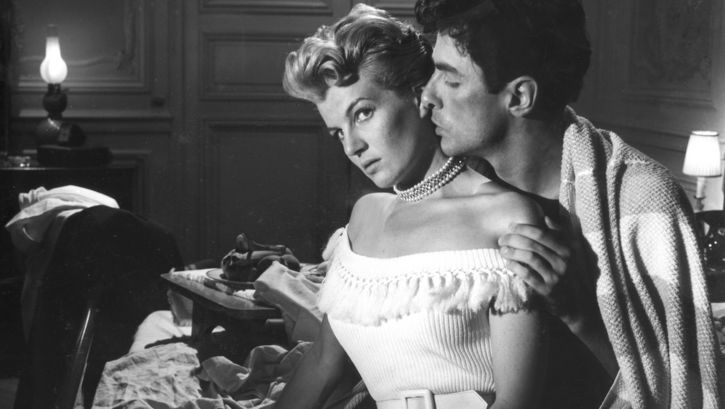
Valerio Zurlini Retrospective

The cinema’s opening at its new location provides the perfect setting to fill a glaring gap in the local appreciation of Italian cinema: In cooperation with the Italian Cultural Institute, Arsenal is presenting, for the first time in Berlin, a comprehensive retrospective of the films of Valerio Zurlini (1926–1982), who, between 1955 and 1976, created a body of work, consisting of eight feature films, which is as modest in scope as it is impressive, marked by great sensitivity and intensity. Although Zurlini worked with European stars, he remained a loner and outsider in the Italian film industry. His timeless, meticulously crafted films are characterized by humanity, emotional depth and an existential sadness. Recurring themes include the impossibility of a lasting romantic relationship, the alienation of people from different social classes, war, loneliness, and a sense of being lost.
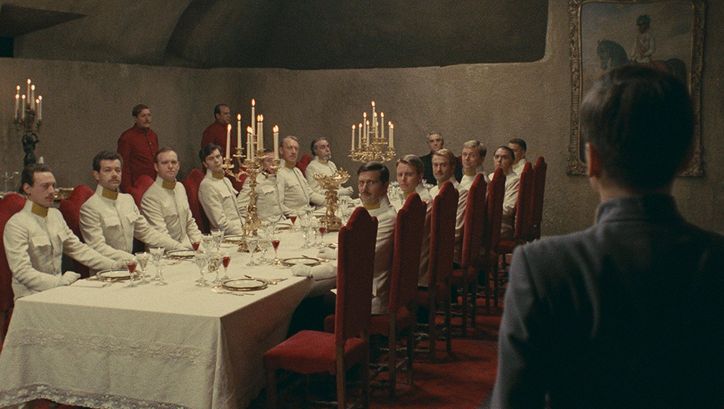
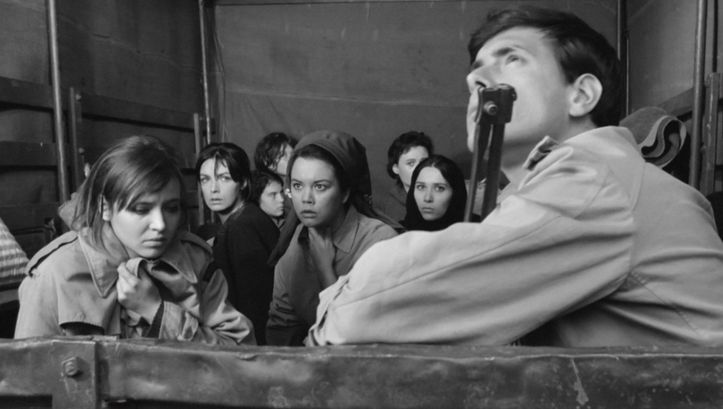
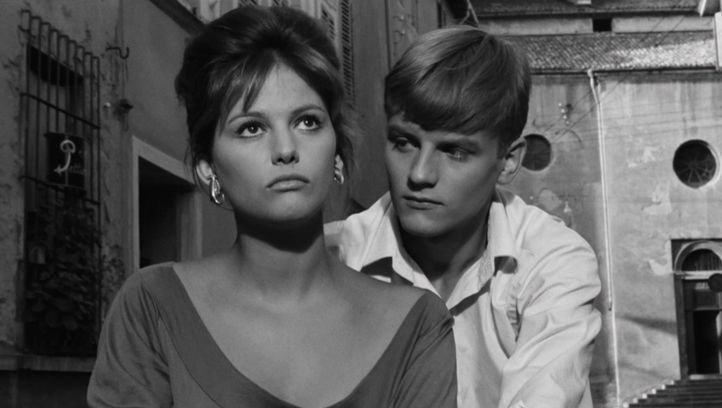
Born in Bologna in 1926, Zurlini fought against the German occupation of 1943 to 1945. The war would later play a significant role in his films. After the liberation of Italy, he studied law and art history and became an assistant director at a theater in Milan. In 1950, in Rome he turned to film. He made a dozen short documentaries by 1953 before he was able to shoot his first feature-length film in 1955, a commissioned work called LE RAGAZZE DI SAN FREDIANO. Zurlini considered ESTATE VIOLENTA (1959), the story of an impossible love story set during World War II, to be his true debut. Two more films followed in a relatively short time: LA RAGAZZA CON LA VALIGIA (1961) and CRONACA FAMILIARE (1962), both of which explore the difficulty of emotional bonds between people from different social backgrounds. The gaps between his films grew longer afterwards and Zurlini only made four more films before his early death in 1982. In 1977, when Zurlini's last film IL DESERTO DEI TARTARI was released, Alf Bold wrote: “Valerio Zurlini is one of the few directors who make films only when this is possible exclusively on their own terms. That is why, much like Dreyer or Straub, his filmography is small in terms of quantity but very impressive in quality.” (Hans-Joachim Fetzer)
Many thanks to the Istituto Italiano di Cultura di Berlino for the generous support, specifically to director Alessandro Turci, cultural attaché Francesca Moschitta and Kathrin Füchtemann.
Funded by: